💃
Kuchipudi — The Classical Dance
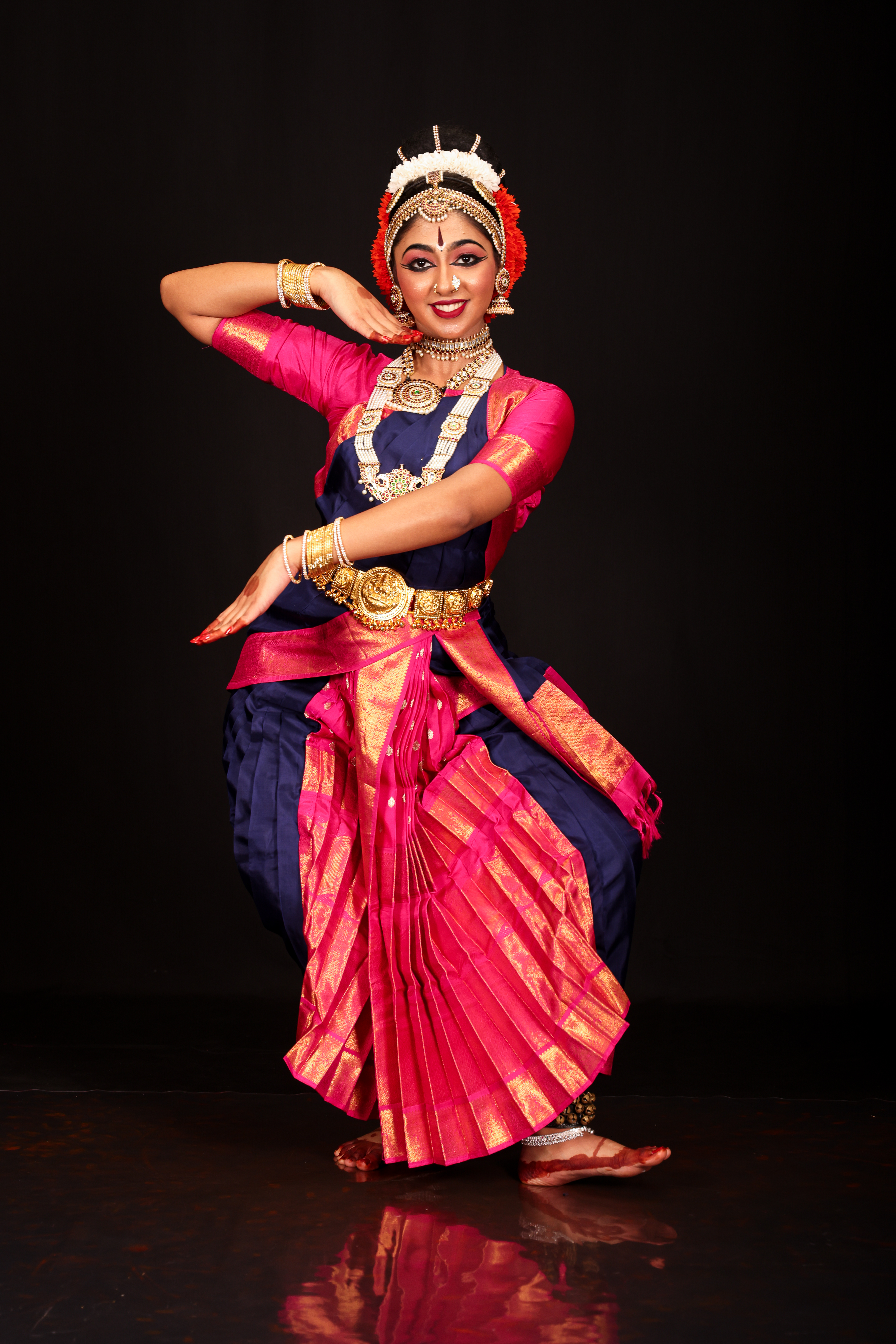
Kuchipudi is one of the eight classical dance forms of India, originating from the village of
Kuchipudi in Andhra Pradesh. With a heritage spanning over two thousand years, it is rooted in
the ancient Sanskrit text Natya Shastra and draws its themes from devotional poetry,
mythology, and the life of Lord Krishna.
Distinguished by its graceful footwork, fluid body movements, expressive abhinaya
(storytelling through facial expression and gesture), and intricate eye movements, Kuchipudi
is a complete art form that unifies music, literature, dance, and drama. Dancers undergo years
of rigorous training to master its technical vocabulary — from nritta (pure dance)
to nritya (expressive dance) and natya (dramatic dance). The distinctive
brass plate dance (Tarangam) and the performance of female roles by male dancers in
earlier traditions are hallmarks that set Kuchipudi apart.
Recognised by the Sangeet Natak Akademi, the Government of India's apex body for the
performing arts, Kuchipudi continues to flourish on stages across the world while remaining
firmly rooted in its spiritual and devotional origins.
🪷
Rangapravesam — The Sacred Debut
Rangapravesam — from the Sanskrit ranga (stage) and pravesam
(entry) — is the formal debut performance of a classical dance student before a public
audience. It is far more than a recital; it is a time-honoured rite of passage that marks
the culmination of years of dedicated study and the beginning of a dancer's public life as
an artist.
The ceremony carries deep spiritual significance. The student, adorned in full classical
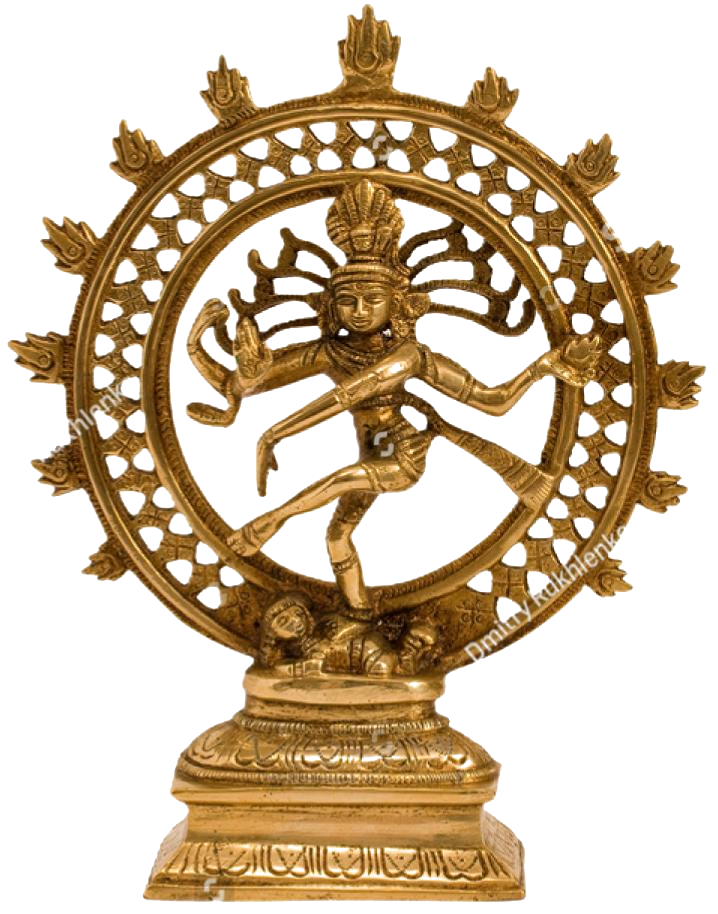
costume and jewellery, first seeks the blessings of the Guru and of Lord Nataraja — the
Cosmic Dancer, the divine patron of all performing arts. A Rangapravesam traditionally
follows a prescribed format: an invocatory piece honouring the deity, a sequence of pure
dance items, expressive compositions, and concludes with a Mangalam (benediction), offering
prayers for the well-being of all who witnessed the performance.
It is an auspicious milestone celebrated by the family, the Guru, and the entire community
of students and patrons — a moment when a disciple steps onto the stage not merely as a
performer, but as a custodian of a living classical tradition.
🏛️
Siddhendra Kuchipudi Art Academy
The Siddhendra Kuchipudi Art Academy is dedicated to preserving, promoting, and propagating
the classical tradition of Kuchipudi dance in its authentic form. Named in honour of
Siddhendra Yogi — the 17th-century saint-composer and visionary who
institutionalised Kuchipudi as a performing art — the Academy carries forward his
life's work of making this classical form accessible to students across generations.
The Academy provides structured, guru-shishya (teacher-disciple) based training that
emphasises not only technical excellence but also the philosophical and devotional spirit
that lies at the heart of Kuchipudi. Students are trained in theory, music, abhinaya,
rhythmic patterns, and the rich repertoire of compositions that form the classical canon.
Through stage performances, cultural events, and workshops, the Academy strives to keep
the flame of this great tradition burning bright — nurturing artists who will carry
Kuchipudi into the future with integrity and devotion.
✦
Guru Smt. Swati Atluri
Sanjana's artistic journey has been shaped under the compassionate and inspiring guidance
of Guru Smt. Swati Atluri, an accomplished Kuchipudi exponent with
decades of experience in performance and pedagogy. Swati Garu embodies the finest
qualities of a classical Guru — meticulous in technique, generous in spirit, and
unwavering in her commitment to passing on the tradition with authenticity and grace.
Her teaching goes beyond the physical vocabulary of dance; she instils in each student
an understanding of the bhava (emotional expression), the musical sensibility,
and the devotional intent that give Kuchipudi its soul. Under her tutelage, students
don't merely learn to dance — they learn to tell stories, to feel the music, and to
offer their art as a form of worship.
Sanjana is honoured and grateful to have learned at the feet of such an exceptional
Guru, and dedicates this Rangapravesam to her with reverence and love.